Navigating your child's dental health journey can feel like a complex maze, and when it comes to orthodontics, many parents wonder about the right time and how to prepare. An orthodontic consultation is a crucial first step, offering insights into your child's developing bite and jaw, and identifying potential issues early on. This guide aims to demystify the process, helping both you and your child feel confident and informed as you approach this important appointment.
When is the Right Time for an Orthodontic Consultation?
The American Association of Orthodontists recommends that children have their first orthodontic evaluation around age seven. While this might seem early, it's a strategic age because by then, your child will have a mix of baby teeth and adult teeth, and their jaws are still developing. This allows an orthodontist to identify subtle problems with jaw growth and emerging permanent teeth while there's still ample opportunity for intervention.
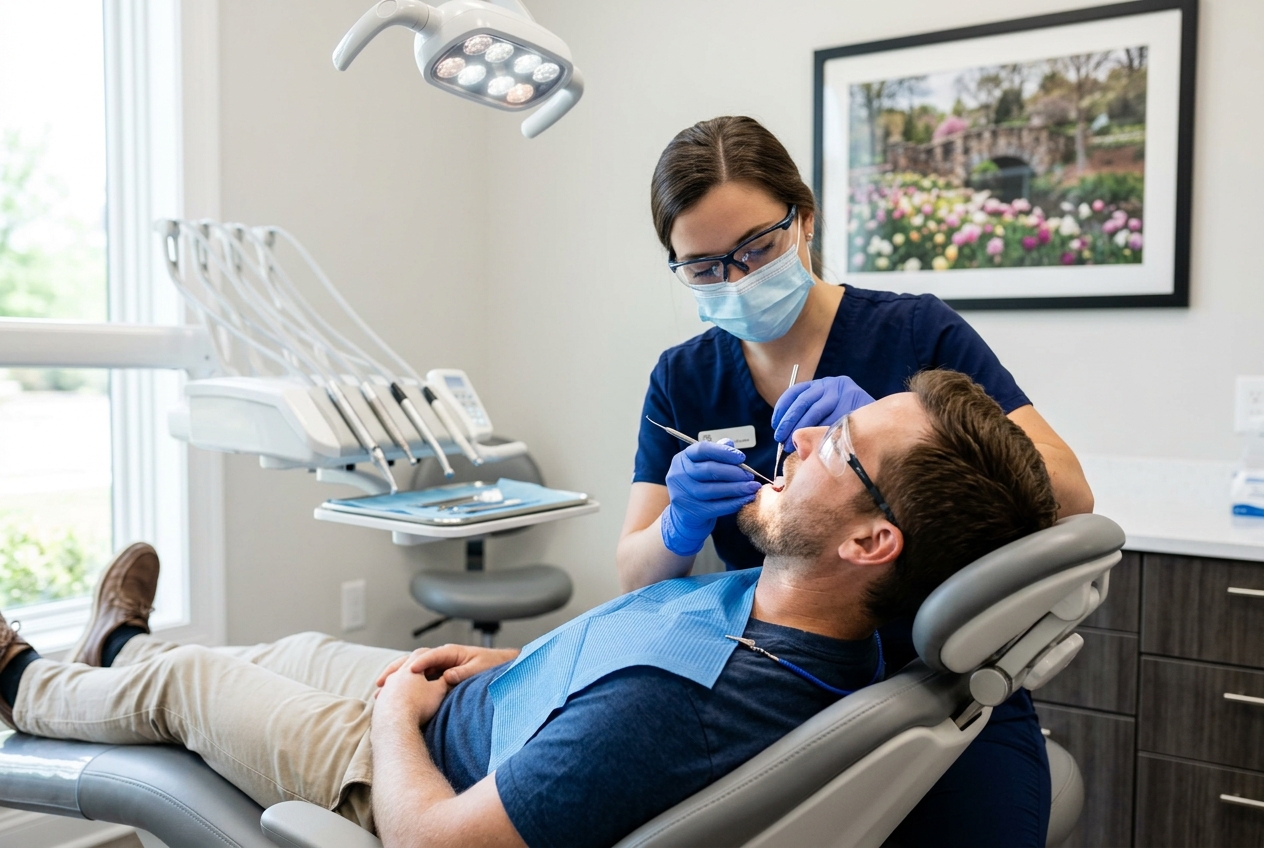
Early Evaluation: The "Why"
An early evaluation doesn't necessarily mean early treatment. Often, it's about monitoring your child's development. Early intervention, sometimes called "Phase One" or "interceptive" treatment, can prevent more severe problems from developing, guide jaw growth, correct harmful oral habits (like thumb sucking), and ensure there's enough space for permanent teeth. Addressing issues early can often simplify or shorten the duration of later, comprehensive treatment.
Signs Your Child Might Need an Evaluation Sooner
While age seven is a general guideline, some signs might prompt an earlier visit. These include:
- Early or late loss of baby teethDifficulty chewing or bitingMouth breathingThumb sucking or finger sucking past age fiveCrowded, misplaced, or blocked-out teethJaws that shift or make soundsBiting the cheek or roof of the mouthTeeth that meet abnormally or not at allFacial imbalance or asymmetryGrinding or clenching of teeth
What to Expect During the First Visit
The initial orthodontic consultation is typically a straightforward, informative visit designed to assess your child's oral health and potential orthodontic needs. At Piedmont Dental, our team is dedicated to making this experience comfortable and educational for families.
The Examination Process
During the consultation, the orthodontist will conduct a thorough examination of your child's teeth, jaw, and bite. This often includes:
- Visual Examination: Looking at the alignment of teeth, the bite, and jaw symmetry. Digital X-rays: These provide a detailed view of teeth that haven't erupted yet, root positions, and jawbone structure. Photographs: Images of your child's teeth and face help in diagnosis and tracking progress. Impressions or Digital Scans: Sometimes, a mold or digital scan of your child's teeth is taken to create a precise model of their bite.
Discussion and Treatment Options
After the examination, the orthodontist will discuss their findings with you. They will explain if orthodontic treatment is recommended, what type of treatment might be suitable (e.g., braces, aligners, palate expanders), and the best time to begin. You'll have the opportunity to ask questions and understand the proposed treatment plan, including its benefits and any https://gxr-blog.iamarrows.com/streamlining-family-dental-care-tips-for-busy-rock-hill-families-1 alternatives.
Financial Considerations
The consultation is also a good time to discuss the financial aspects of potential treatment. Our administrative team at Piedmont Dental can provide information on costs, payment plans, and how your insurance might apply, helping you make informed decisions without financial surprises.
Preparing Your Child for the Consultation
A positive first experience can set the tone for your child's entire orthodontic journey. Here’s how you can help them prepare.
Open Communication
Talk to your child about the appointment beforehand. Explain that the orthodontist is a friendly dental specialist who helps make teeth straight and healthy. Avoid using words that might instill fear, like "pain" or "needles." Focus on the positive outcomes, like a beautiful, healthy smile.
Addressing Fears and Concerns
It's normal for children to feel a little anxious about a new doctor's visit. Acknowledge their feelings and reassure them that the visit is primarily for looking and talking. Emphasize that you'll be with them every step of the way. If your child has specific concerns, relay them to the orthodontic team upon arrival so they can address them sensitively.
Making it a Positive Experience
Frame the visit as an exciting step toward a confident smile. You might even consider bringing a favorite toy or book to help them feel more at ease in the waiting room. A relaxed parent often leads to a relaxed child.
Partnering with Your Orthodontic Team
Choosing an orthodontic partner is a significant decision. You want a team that not only possesses exceptional clinical skills but also understands the unique needs of children and their families. An effective partnership ensures open communication, clear understanding of treatment goals, and a supportive environment throughout the entire process.
Common Orthodontic Treatments for Children
If treatment is recommended, it might fall into one of two main categories:
Interceptive Orthodontics (Phase One)
This early treatment, typically occurring between ages six and ten, aims to correct specific problems before they become more severe. It might involve a palate expander to widen the upper jaw, limited braces to align a few teeth, or appliances to correct habits like thumb sucking. The goal is to create a better environment for permanent teeth to erupt and guide jaw growth.
Comprehensive Orthodontics (Phase Two)
Often starting once most or all permanent teeth have erupted, usually around ages 11-13, this phase involves full braces or clear aligners to achieve a precise bite and perfectly aligned teeth. If Phase One treatment was effective, Phase Two might be shorter or less complex.

Guiding your child through an orthodontic consultation is a proactive step toward ensuring their long-term oral health and confidence. By understanding the process, preparing your child, and partnering with a dedicated team like Piedmont Dental, you can make this journey a positive and rewarding one for your entire family. A healthy, radiant smile is a gift that truly lasts a lifetime.