Experiencing a sharp, sudden pain when you bite into something cold, sip a hot drink, or even just breathe in cool air? You're not alone. Tooth sensitivity is a common condition that affects millions of people, making everyday activities uncomfortable and sometimes even painful. This sensation, often described as a jolt or a dull ache, occurs when the protective enamel on your teeth wears down or your gums recede, exposing the softer, more porous layer underneath called dentin. Dentin contains thousands of microscopic tubules that lead to the tooth's pulp, where the nerves reside. When these tubules are exposed, external stimuli like temperature changes or pressure can reach the nerves, triggering that familiar twinge.
What Causes Sensitive Teeth?
Understanding the root cause of your sensitivity is the first step toward finding relief. Several factors can contribute to this common dental issue:
Enamel Erosion
The hard outer layer of your teeth, enamel, is designed to protect the sensitive dentin beneath. Over time, enamel can erode due to consuming highly acidic foods and drinks (sodas, citrus fruits, wine), vigorous brushing with a hard-bristled toothbrush, or even medical conditions like acid reflux. Once enamel is lost, it doesn't grow back, making the tooth more vulnerable.
Gum Recession
When gums pull away from the https://gxr-charlotte.theglensecret.com/what-to-do-if-your-dental-implant-feels-loose-rare-but-possible teeth, they expose the root surface, which is covered by cementum – a layer even softer than enamel. Aggressive brushing, gum disease (periodontitis), or genetic predisposition can all lead to gum recession, leaving the roots exposed and highly sensitive to external stimuli.
Teeth Grinding (Bruxism)
Chronic clenching or grinding of teeth, often unconsciously during sleep, can wear down enamel over time, exposing the dentin. The constant pressure can also lead to tiny cracks in the enamel, further exacerbating sensitivity.

Cavities and Cracks
Untreated dental decay (cavities) creates holes in the enamel, allowing direct access to the dentin and pulp. Similarly, a cracked or chipped tooth can expose the inner layers, leading to localized and often intense sensitivity.
Dental Procedures and Whitening Products
Sometimes, sensitivity can be a temporary side effect of recent dental work, such as a new filling, crown, or professional teeth whitening. This type of sensitivity usually subsides within a few days or weeks as the teeth adjust.
Practical Tips for At-Home Care
Fortunately, many cases of tooth sensitivity can be managed effectively with simple adjustments to your oral hygiene routine and lifestyle. Here are some key tips:
Choose the Right Toothbrush and Technique
Opt for a soft-bristled toothbrush and use a gentle, circular motion when brushing. Avoid scrubbing aggressively, as this can wear down enamel and contribute to gum recession. Focus on cleaning along the gum line without applying excessive pressure.
Use Desensitizing Toothpaste
Many toothpastes are specifically formulated to combat sensitivity. These often contain ingredients like potassium nitrate or strontium chloride, which work by blocking the tubules in the dentin or by desensitizing the nerve endings within the tooth. Consistent use over several weeks is usually required to see significant improvement.
Watch Your Diet
Limit your intake of highly acidic foods and beverages that can erode enamel. If you do consume them, try to rinse your mouth with water afterward to neutralize acids. Also, be mindful of extreme temperatures; try to let very hot or cold foods and drinks cool down or warm up slightly before consuming them.
Address Teeth Grinding or Clenching
If you suspect you grind or clench your teeth, especially at night, talk to your dentist. They may recommend a custom-fitted nightguard to protect your teeth from the damaging forces of bruxism.
Maintain Good Oral Hygiene
Regular brushing twice a day and flossing daily are crucial for preventing gum disease and cavities, both of which can lead to sensitivity. Keeping your mouth clean helps protect your enamel and gums.
Professional Treatments for Lasting Relief
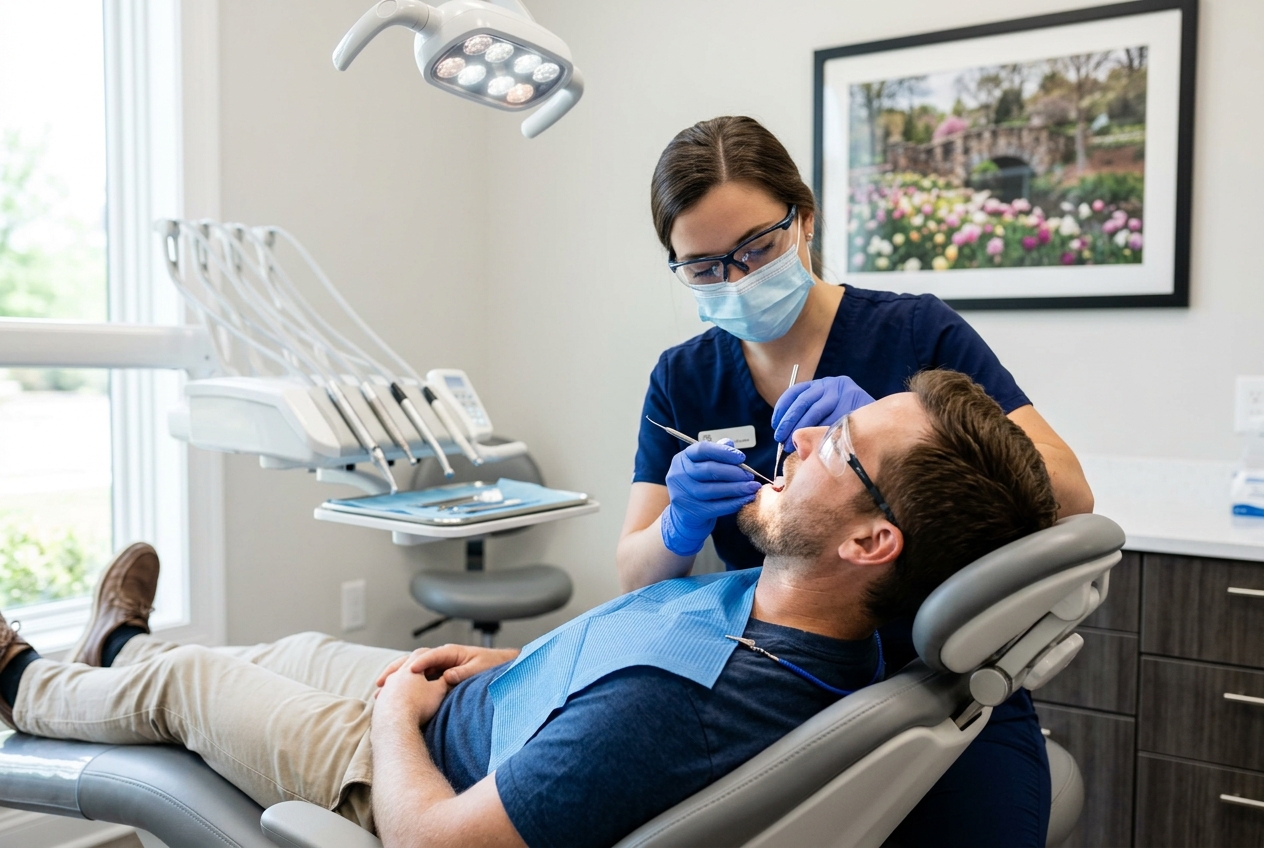
While at-home care is beneficial, some cases of sensitivity require professional intervention. At Piedmont Dental, our team can accurately diagnose the cause of your discomfort and recommend tailored treatment options.
Fluoride Treatments
Professional fluoride applications can strengthen tooth enamel and dentin, making them more resistant to sensitivity. These concentrated treatments are more effective than over-the-counter fluoride products.
Dental Bonding or Fillings
If sensitivity is caused by exposed root surfaces due to gum recession, or by small cracks or chips, your dentist might apply a tooth-colored resin (bonding) to cover the exposed areas and protect the dentin. Fillings can also repair cavities that contribute to sensitivity.
Gum Grafts
In cases of significant gum recession exposing extensive root surfaces, a minor surgical procedure called a gum graft may be recommended. This involves taking tissue from another part of your mouth or using donor tissue to cover the exposed root, reducing sensitivity and protecting the tooth.
Root Canal Therapy
For severe and persistent sensitivity that doesn't respond to other treatments, especially when it's linked to an inflamed or infected pulp, root canal therapy might be the most effective solution. This procedure removes the damaged pulp, eliminating the source of pain.
When to Seek Professional Advice
If your tooth sensitivity is persistent, severe, or doesn't improve with at-home remedies, it's essential to schedule an appointment with your dentist. Only a dental professional can accurately diagnose the underlying cause and recommend the most appropriate course of action. Delaying treatment can sometimes lead to more serious dental issues down the line.
At Piedmont Dental, we are dedicated to helping our patients achieve optimal oral health and comfort. Our experienced team uses advanced diagnostic tools to pinpoint the exact reason for your sensitivity and provides a personalized treatment plan designed to bring you lasting relief.
Living with sensitive teeth doesn't have to be a constant struggle. By understanding the causes and adopting proper care techniques, both at home and with professional guidance, you can significantly reduce discomfort and enjoy your favorite foods and drinks without apprehension. Don't let tooth sensitivity dictate your daily life; take proactive steps towards a more comfortable smile. Our team at Piedmont Dental is here to support you every step of the way, ensuring your dental health is always our top priority.