A sunroom is more than just an addition to your home; it's a gateway to natural light, a comfortable space to relax, and an extension of your living area. When planning such an enhancement, the materials you choose are paramount. They dictate not only the aesthetics and comfort but also the energy efficiency, durability, and long-term enjoyment of your sunroom. This guide will walk you through the essential considerations for glass, framing, and flooring options, helping you make informed decisions for your dream space.
Glass Options: The Window to Your World
The glass in your sunroom is arguably its most critical component, defining how well it insulates, protects, and brightens your space.
Low-E Glass
Low-emissivity (Low-E) glass features a microscopically thin, transparent coating that reflects infrared light, keeping heat inside during winter and outside during summer. It also blocks a significant amount of harmful UV rays, protecting your furnishings from fading. There are various types of Low-E coatings, with some optimized for heating climates and others for cooling climates, offering tailored performance.
Insulated Glass Units (IGUs)
Most modern sunrooms utilize insulated glass units, typically double-pane or even triple-pane glass. These units consist of multiple glass panes separated by a sealed air or gas-filled space. The trapped air or inert gases like argon or krypton act as an insulator, dramatically reducing heat transfer compared to single-pane glass. Double-pane is standard, while triple-pane offers superior thermal performance, ideal for extreme climates.
Tempered Glass
Safety is a key consideration, especially for large glass panels and doors. Tempered glass is heat-treated to be much stronger than standard glass. If it breaks, it shatters into small, relatively harmless pieces rather than sharp shards. Building codes often mandate tempered glass for sunroom applications to ensure occupant safety.
Tinted or Laminated Glass
For additional glare reduction, UV protection, or security, tinted or laminated glass can be excellent choices. Tinted glass reduces solar heat gain and glare, while laminated glass features a layer of plastic between two panes, offering enhanced sound dampening and making it much harder to break through, providing an extra layer of security.
Framing Materials: The Backbone of Your Sunroom
The frame provides structural integrity and contributes significantly to the sunroom's insulation and aesthetic appeal. Our team at Green Exterior Remodeling understands the nuances of each material to recommend the best fit for your project.
Vinyl
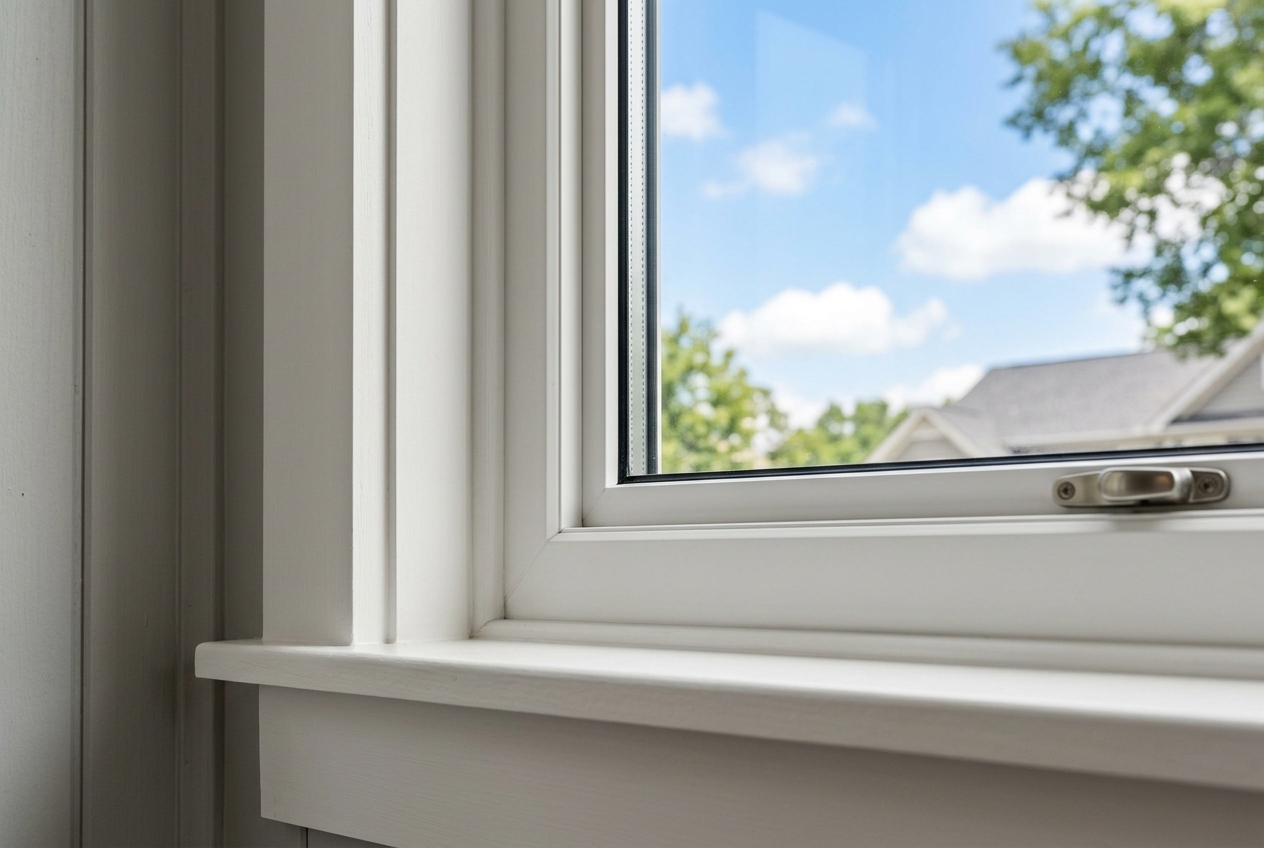
Vinyl frames are a popular choice due to their excellent energy efficiency, low maintenance requirements, and cost-effectiveness. They are resistant to moisture, corrosion, and pests, and their hollow chambers can be filled with insulation for even better thermal performance. While durable, color options can sometimes be more limited than with other materials.

Aluminum
Aluminum frames are known for their strength and slender profiles, allowing for larger glass panels and maximizing views. They are highly durable and available in a wide array of finishes. However, aluminum is a good conductor of heat, so it's crucial to choose thermally broken aluminum frames that incorporate a non-conductive barrier to prevent heat transfer.
Wood
For a classic and natural look, wood frames are an unmatched option. They offer superior insulation properties and can be stained or painted to match your home's existing aesthetic perfectly. While beautiful, wood requires more maintenance than other materials to prevent rot, warping, or pest infestations, although modern treatments significantly extend its lifespan.
Composite
Composite frames combine the best attributes of different materials, often using wood fibers and plastic resins. They offer the aesthetic appeal and insulation of wood with the low maintenance and durability of vinyl. Composite materials are resistant to moisture and pests, providing a long-lasting and energy-efficient solution, though they can be a higher initial investment.
Flooring Choices: Foundation for Comfort and Style
The right flooring not only complements the sunroom's design but also needs to withstand temperature fluctuations, sunlight exposure, and potential moisture.
Tile (Ceramic, Porcelain, Stone)
Tile is an extremely popular choice for sunrooms. Ceramic, porcelain, and natural stone tiles are highly durable, water-resistant, easy to clean, and can handle temperature variations without issue. They also possess thermal mass, meaning they can absorb and release heat, contributing to passive heating in cooler months. However, they can be cold underfoot and quite hard.
Engineered Wood
If you love the warmth and look of hardwood, engineered wood is a more stable option for sunrooms than solid hardwood. It's constructed with multiple layers, making it more resistant to changes in temperature and humidity. It offers a comfortable feel and a sophisticated aesthetic, but it's less water-resistant than tile and can fade over time if exposed to intense, direct sunlight without proper UV protection from the glass.
Luxury Vinyl Plank/Tile (LVP/LVT)
LVP and LVT have gained immense popularity for their versatility and performance. They are highly water-resistant, incredibly durable, https://maps.google.com/?cid=7098420235288452017 and come in a vast array of styles that convincingly mimic wood, stone, or ceramic. LVP/LVT is also more comfortable and warmer underfoot than tile and generally more cost-effective. It's an excellent choice for sunrooms that may experience occasional moisture or heavy foot traffic.
Concrete (Stained/Polished)
For a modern, industrial, or minimalist aesthetic, stained or polished concrete is an exceptional choice. It's incredibly durable, low maintenance, and offers excellent thermal mass, much like tile. Concrete can be customized with various colors and finishes to suit any style. While hard and potentially cold, it's virtually impervious to sun and moisture damage.
Outdoor Carpet/Rugs
While not a permanent flooring solution, outdoor carpets or rugs can be layered over harder surfaces to add warmth, comfort, and sound absorption. They are designed to withstand sunlight and moisture, offering a flexible way to add color and texture to your sunroom's interior design, and can be easily swapped out to refresh the look.
Choosing the right materials for your sunroom is a significant decision that impacts its performance, comfort, and longevity. Each option for glass, framing, and flooring comes with its own set of advantages and considerations regarding energy efficiency, maintenance, and aesthetics. By carefully evaluating your climate, budget, and desired use for the space, you can create a sunroom that perfectly complements your home and lifestyle. Our team at Green Exterior Remodeling is ready to guide you through these choices to build a sunroom you'll cherish for years to come.