Many people understand that diabetes impacts major organs like the heart, kidneys, and eyes. However, the profound connection between diabetes and oral health is often overlooked. For individuals managing diabetes, understanding this link is not just beneficial, it's crucial for overall well-being. At Piedmont Dental, we believe in empowering our patients with knowledge that helps them maintain optimal health, both inside and out.
The Two-Way Street: How Diabetes Impacts Your Mouth
Diabetes, especially when not well-controlled, significantly increases the risk for various oral health complications. High blood sugar levels create a fertile environment for bacteria and can compromise the body's ability to fight infection and heal. Here’s how:
Gum Disease (Periodontal Disease)
This is perhaps the most common and serious oral health issue for people with diabetes. High blood glucose levels weaken white blood cells, which are the body's primary defense against bacterial infections that can occur in the mouth. Diabetics are more prone to developing gingivitis (early gum disease) and periodontitis (advanced gum disease). Periodontitis involves inflammation and infection that destroy the bone and tissues supporting your teeth. If left untreated, it can lead to tooth loss. The unfortunate cycle is that periodontitis can also make it harder to control blood sugar, creating a vicious loop.
Dry Mouth (Xerostomia)
Diabetes can reduce saliva flow, leading to dry mouth. Saliva plays a critical role in washing away food particles and neutralizing acids produced by bacteria, thereby protecting teeth from decay. A persistent dry mouth increases the risk of cavities, gum disease, and even fungal infections like thrush.
Oral Thrush (Candidiasis)
People with diabetes, particularly those with high blood sugar, are more susceptible to developing oral thrush. This is a fungal infection caused by an overgrowth of Candida albicans, a yeast naturally present in the mouth. Symptoms include white, creamy patches on the tongue, inner cheeks, roof of the mouth, or throat, which can be painful and may bleed when scraped.
Delayed Healing
Diabetes can impair the body's healing processes. This means that if you have oral surgery or a tooth extraction, recovery might take longer, and there's a higher risk of post-operative infections.
The Other Side of the Coin: How Oral Health Affects Diabetes Management
The relationship isn't one-sided. Poor oral health, especially severe gum disease, can negatively impact blood sugar control. Periodontitis is an inflammatory disease, and the chronic inflammation it causes can increase insulin resistance, making it more challenging for individuals with diabetes to manage their blood glucose levels effectively. Treating gum disease often leads to improved blood sugar control, highlighting the interconnectedness of these two conditions.
Proactive Steps for Diabetics to Protect Their Oral Health
Managing diabetes effectively requires a comprehensive approach that includes diligent oral care. Here are essential steps to take:
Maintain Excellent Blood Glucose Control
This is the cornerstone of managing all diabetes-related complications, including those affecting your oral health. Adhering to your prescribed medication, diet, and exercise regimen will significantly reduce your risk of gum disease and other oral issues.
Practice Rigorous Oral Hygiene
Brush your teeth at least twice a day with a fluoride toothpaste, and floss daily to remove plaque and food particles from between your teeth and under the gum line. Consider using an antimicrobial mouthwash if recommended by your dental professional.

Regular Dental Check-ups and Cleanings
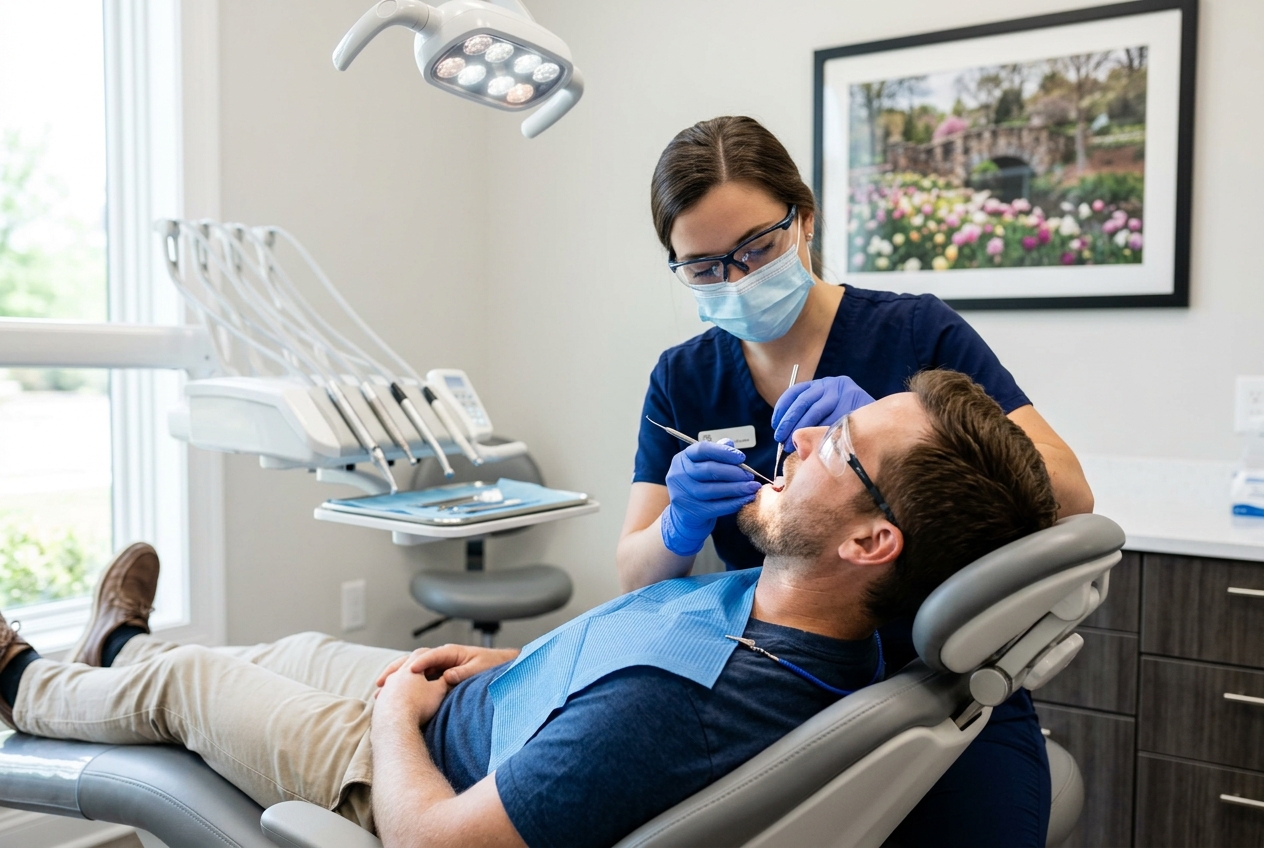
Don't wait for pain or problems to arise. Regular visits to your dentist for professional cleanings and examinations are vital. Inform our team at Piedmont Dental about your diabetes status and any changes in your condition or medications. We can tailor your care to address your specific needs and monitor for early signs of oral complications.
Stay Hydrated
If you experience dry mouth, drink plenty of water throughout the day. Chewing sugar-free gum or sucking on sugar-free candies can also stimulate saliva flow. Your dentist might recommend artificial saliva products if needed.
Quit Smoking
Smoking exacerbates many oral health problems, especially gum disease, and significantly increases the risk for diabetics.
Be Alert to Changes
Pay attention to any changes in your mouth, such as bleeding gums, persistent bad breath, loose teeth, or white patches. Report these symptoms to your dentist promptly.
A Collaborative Approach to Health
The link between diabetes and oral health underscores the importance of a collaborative approach to your overall well-being. By working closely with your primary care physician and your dental team, you can effectively manage both conditions. At Piedmont Dental, our commitment is to provide comprehensive https://the-taylored-lawns-team.theburnward.com/nourishing-smiles-the-vital-link-between-family-nutrition-and-oral-health dental care that supports your systemic health goals, helping you maintain a healthy smile and a healthier life.